Category: How We Think
-
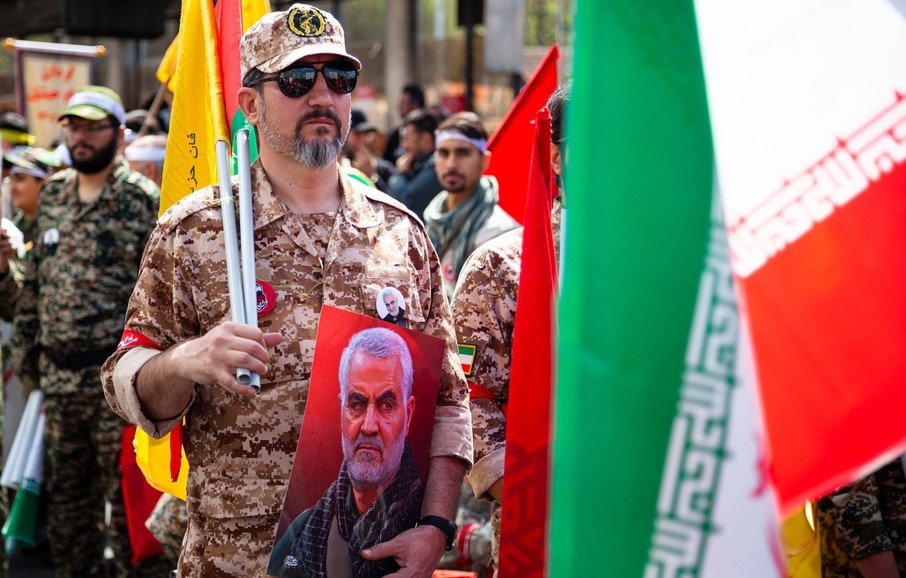
Iran Conflict – Outcome Scenarios & Likelihoods
The big question on everybody’s mind is “how will this end?” This is a very, very complicated and professionally risky question for us to try to answer at this early stage but … we like a challenge and, given that we’ve been covering Iran for nearly a decade for clients, we have rare insight to…
-
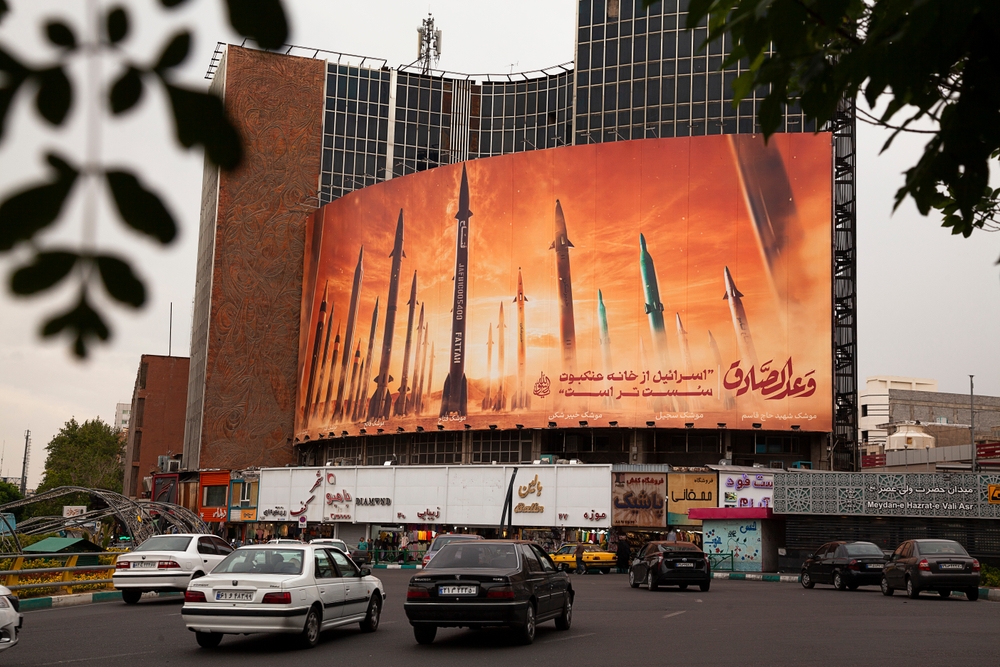
Where Will Iran Target Next?
There’s a military practice called Effects Based Planning; first, determine your desired outcome, or effect, then choose the course of action and tool that will generate that effect. Right now, Iran is demonstrating mastery of this approach. Remember that this is a regime that has had a long, long, long time to ponder what they’d…
-
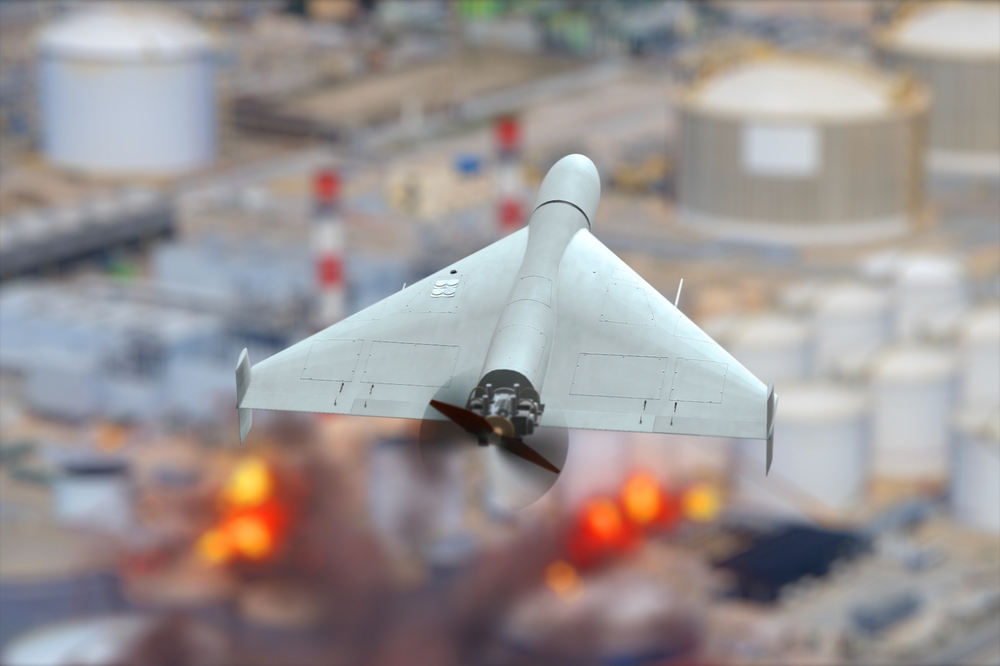
Under Pressure
Iran’s strikes on GCC nations were not a mistake. Various commentators have been declaring that Iran has made a vast mistake in firing missiles and drones into the UAE and KSA, amongst other neighbours. Now, they say, GCC nations that previously had banned US forces from using bases in their territory and from transiting their…
-
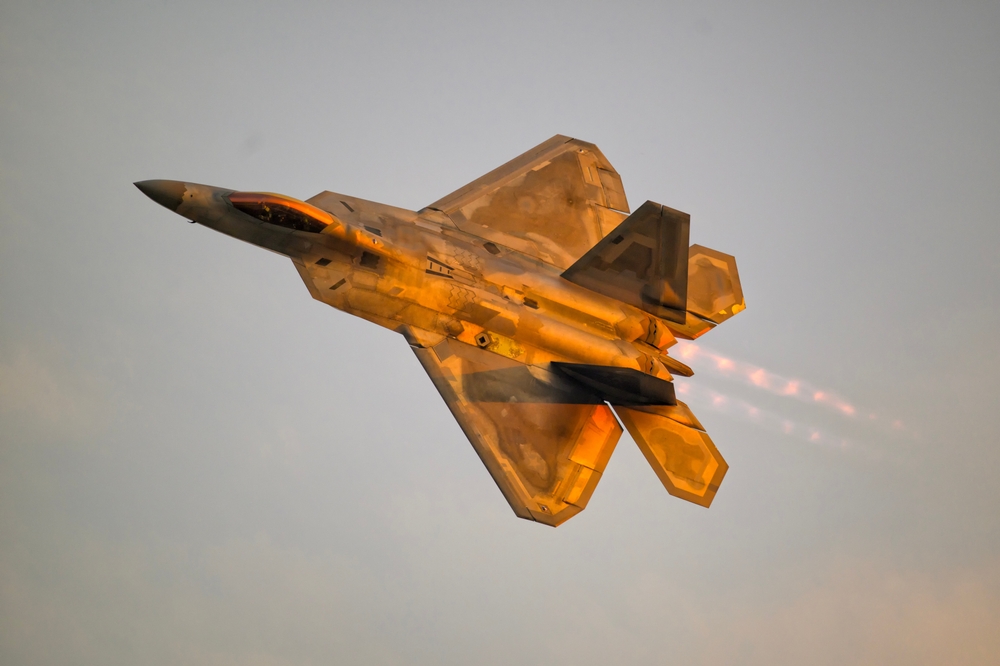
Trump’s Iran Off-Ramp – Bomb First, Blame Later
Well, as we predicted in our article “Crunch Time For Iran?” the USA and Israel have indeed begun attacking Iran, and on the very weekend that we forecast they would. At this early stage, we want to dig into two key messages that have emerged and which are highly telling.… Read the rest
-
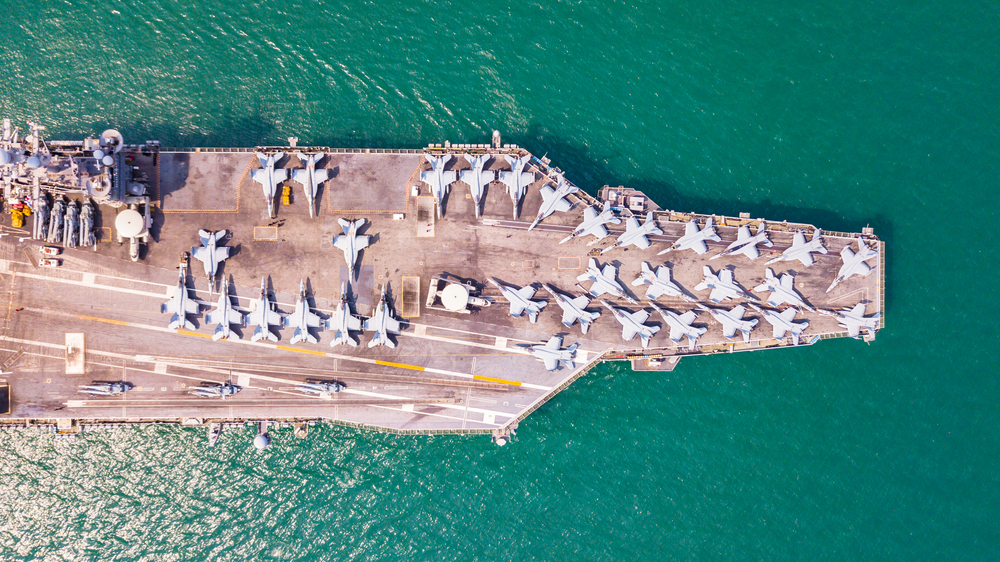
Crunch Time For Iran?
We’ve all been watching the build-up of US forces in the Middle East over the last few weeks, threatening to attack Iran unless the Ayatollah’s regime bow to numerous, steep demands including the handover of all enriched Uranium to the US, no renewed enrichment, and the total destruction of Iranian nuclear facilities, all without offering…
-

Britannia today does not look defiant. She looks tired.
Perched on a rock in stormy seas, trident still in hand but shoulders heavy, watching two shores drift further apart on either horizon. On one side? Washington – still powerful, still loud but increasingly transactional. On the other? Brussels and Berlin – slowly, methodically, talking the language of autonomy, sovereignty and strategic independence.… Read the…
-
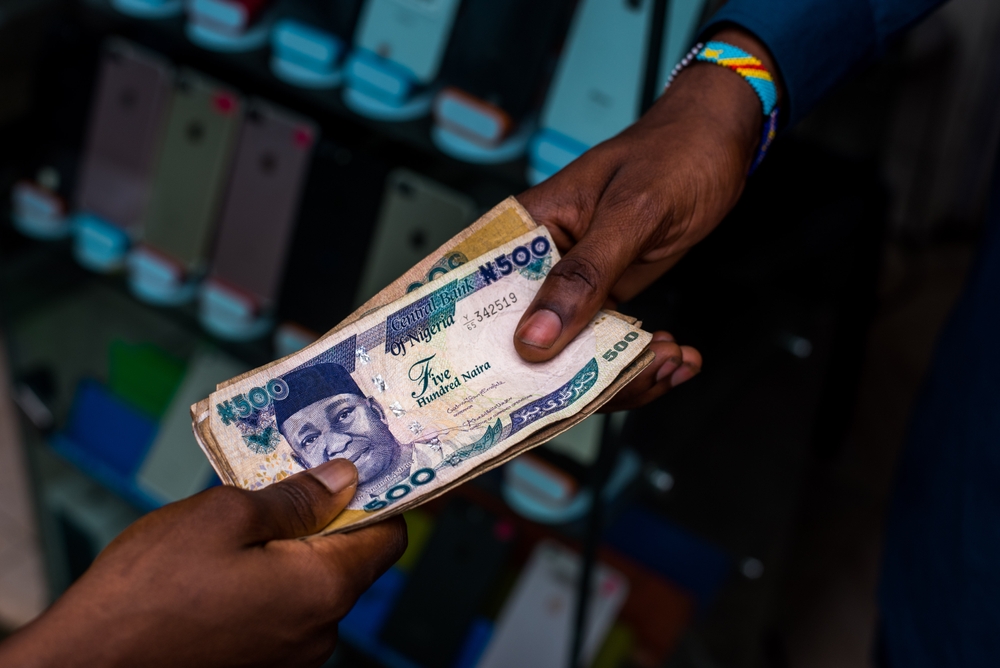
Cash, Control and Resilience
Why Cash-Dependent Economies May Be Structurally More Shock-Resilient While Europe examines the risks of going cashless, much of the emerging world never made that transition in the first place. This was not because of a technological lag. It was because of underlying economic conditions. Currency volatility, institutional trust gaps, informality and infrastructure fragility all made…
-
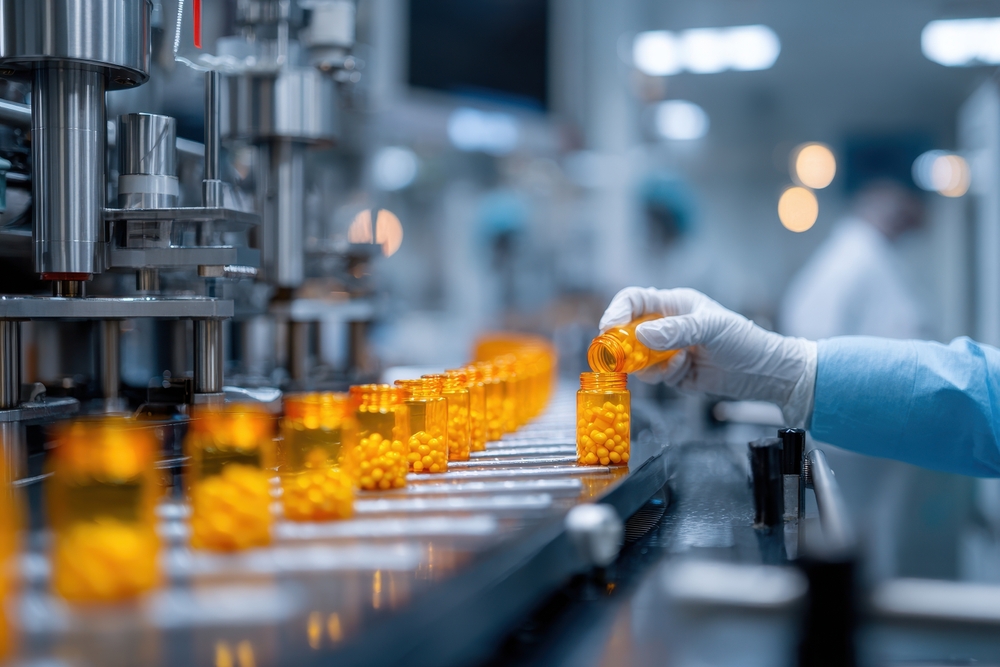
Europe’s Autonomy Drive: Pharmaceutical Resilience
Part IV of a four part series As part of our series covering payments and overarchingly focusing on how Europe is pushing to improve its autonomy from a transatlantic relationship that has become less predictable and more politically contingent, we now focus on the pharmaceutical sector. In March 2025 the European Commission first proposed the…
-

When Payments Fragment
Part III of a four part series Tourism, trade and the geopolitics of acceptance The global payments system is no longer converging. It is fragmenting. For decades, the question of how tourists paid abroad was largely settled. A handful of global card networks acted as universal translators, smoothing transactions across borders with little political friction.……
-

Payments as Power
Part II of a four part series Why Europe, Egypt and China are solving different problems The global debate about payments is often framed as a technical one. Faster transfers. Better apps. Cheaper fees. In reality, payments systems reveal something far more political – what states want control over, and why.… Read the rest