Category: How We Think
-
When Power Forgets Geography
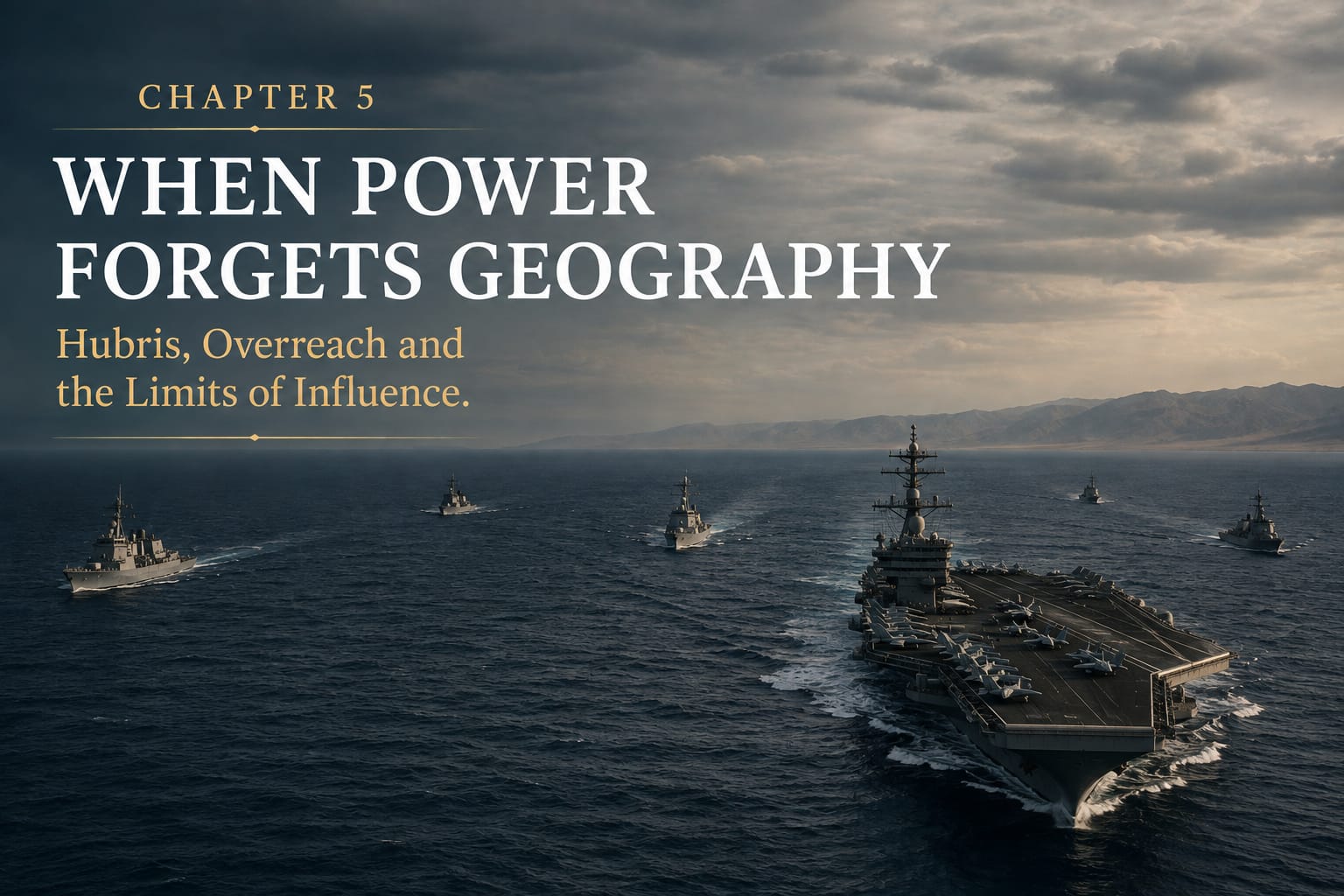
The final article in a series of 5. The United States became the world’s dominant power for many reasons. Its institutions mattered. Its economy mattered. Its innovation mattered. Its military mattered. But beneath every one of those advantages lay something even more fundamental. Geography. No great power in modern history has inherited a more favourable…
-
The Geography Century
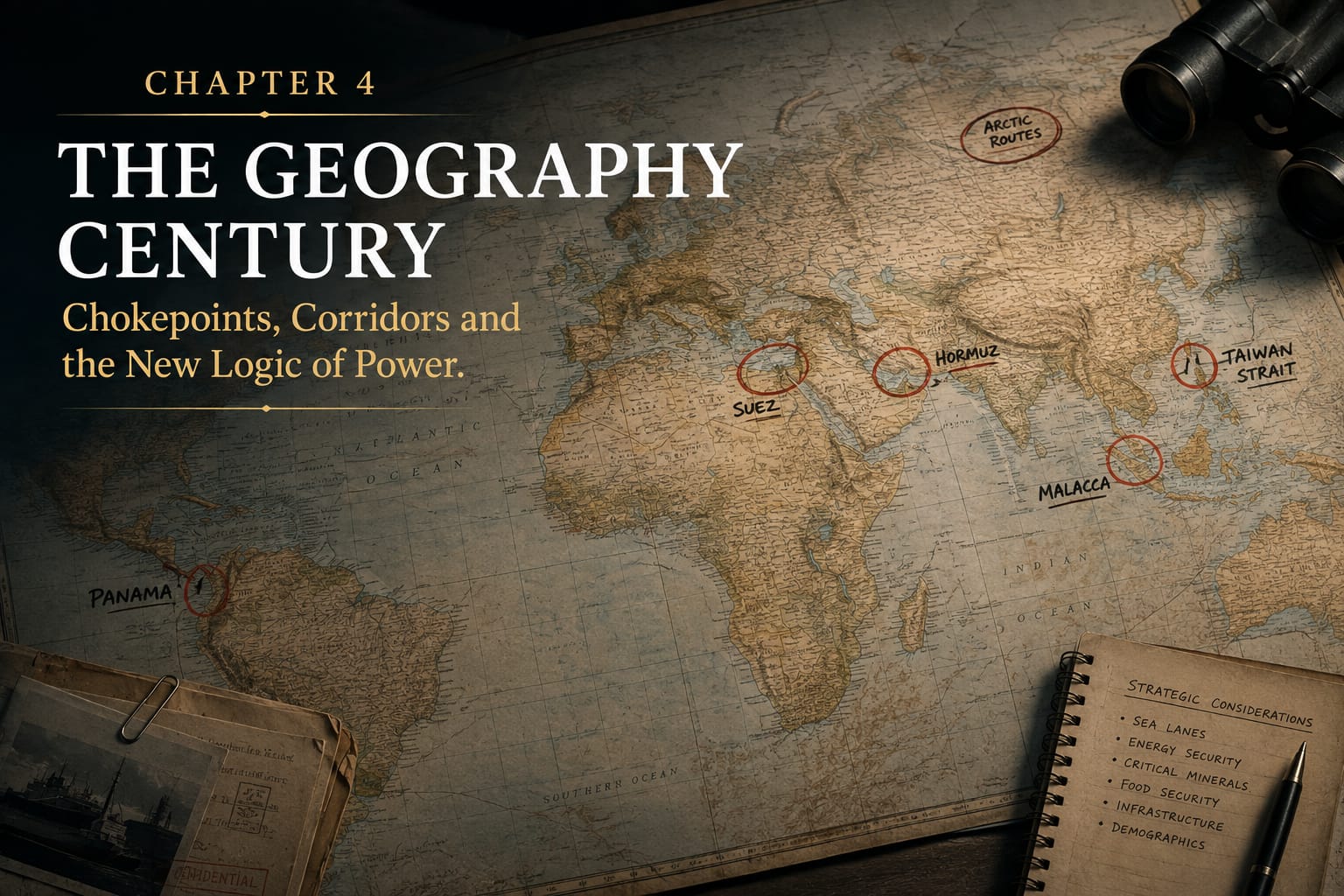
Part 4 of a series Every age believes it has discovered the force that will shape the future. The nineteenth century believed it was empire. The twentieth century believed it was ideology. The early twenty-first century believed it was globalisation. Each transformed the world. None replaced geography. For three decades we convinced ourselves that economics…
-
Geography Creates Choices
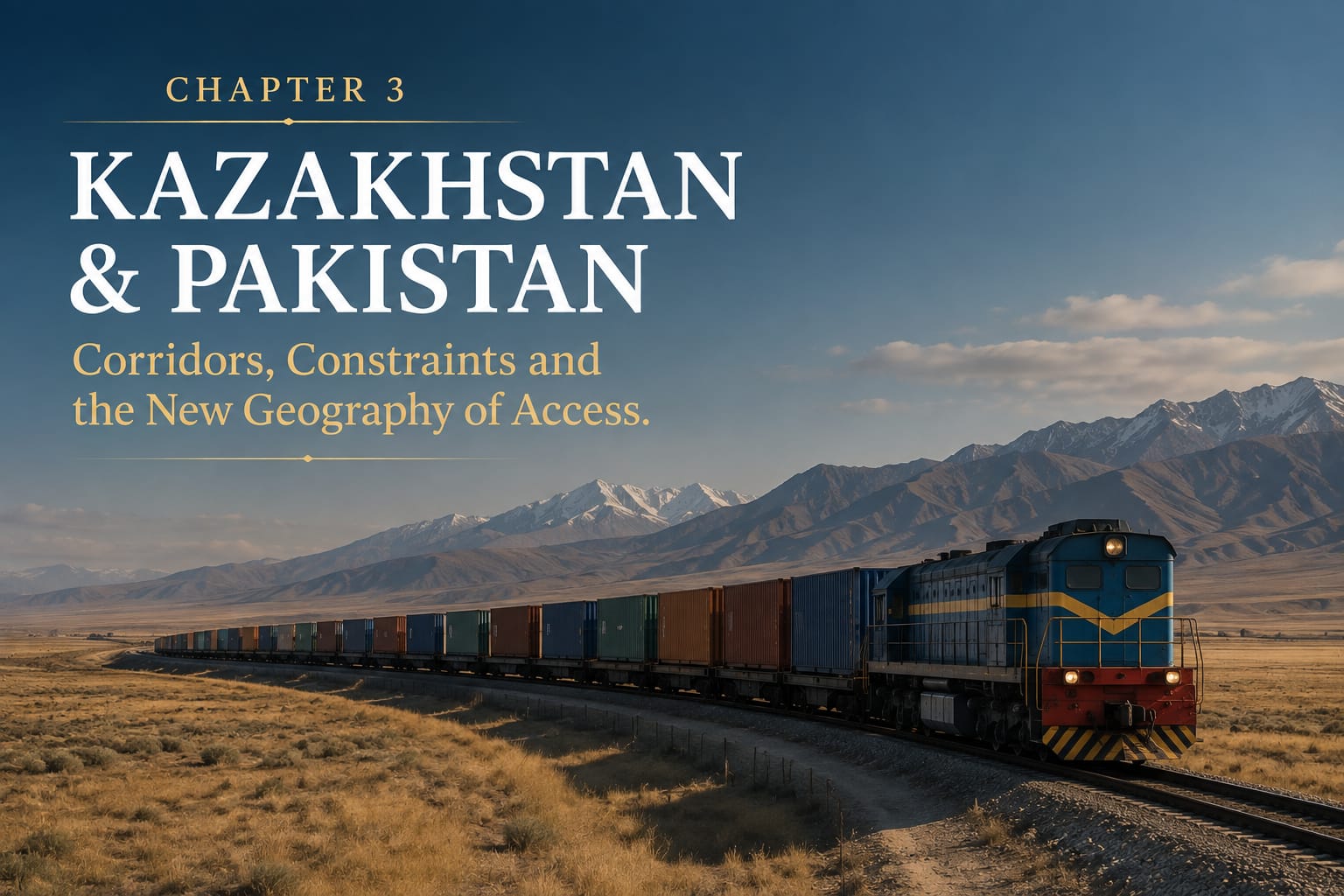
Part 3 of a series. Every country inherits one thing it cannot negotiate. Geography. Governments can rewrite constitutions. They can change tax systems. They can elect new leaders. They can build new industries. They cannot move mountains. They cannot relocate rivers. They cannot create coastlines. They cannot choose their neighbours. Geography is the one hand…
-
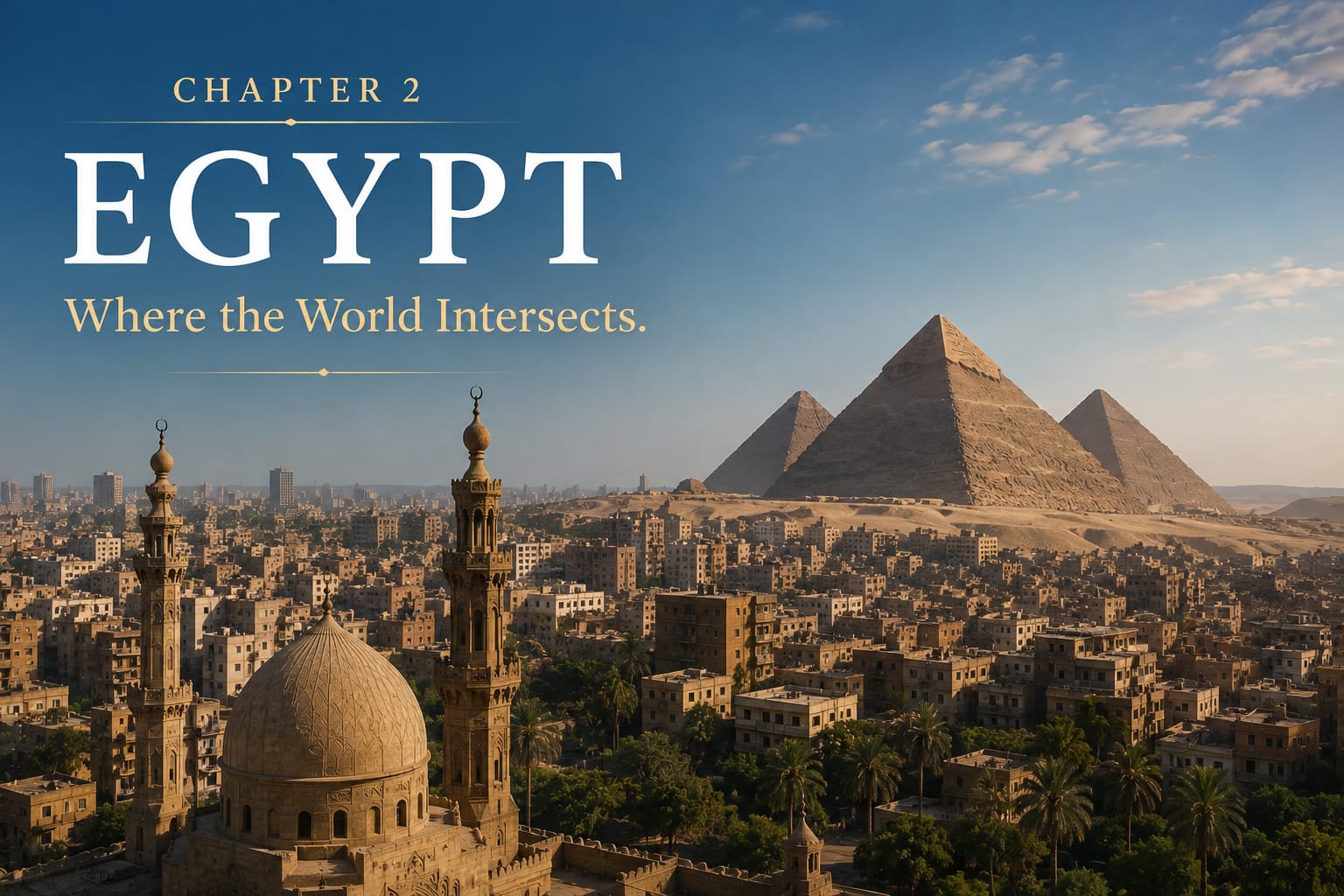
Egypt Didn’t Become More Important. The World Changed Around It.
Part 2 of a series Every few years someone announces that Egypt is back. A diplomatic breakthrough. A new military exercise. Another expansion of the Suez Canal. A major infrastructure project. The implication is always the same – Egypt has somehow rediscovered its strategic importance. They have the story completely backwards.… Read the rest
-
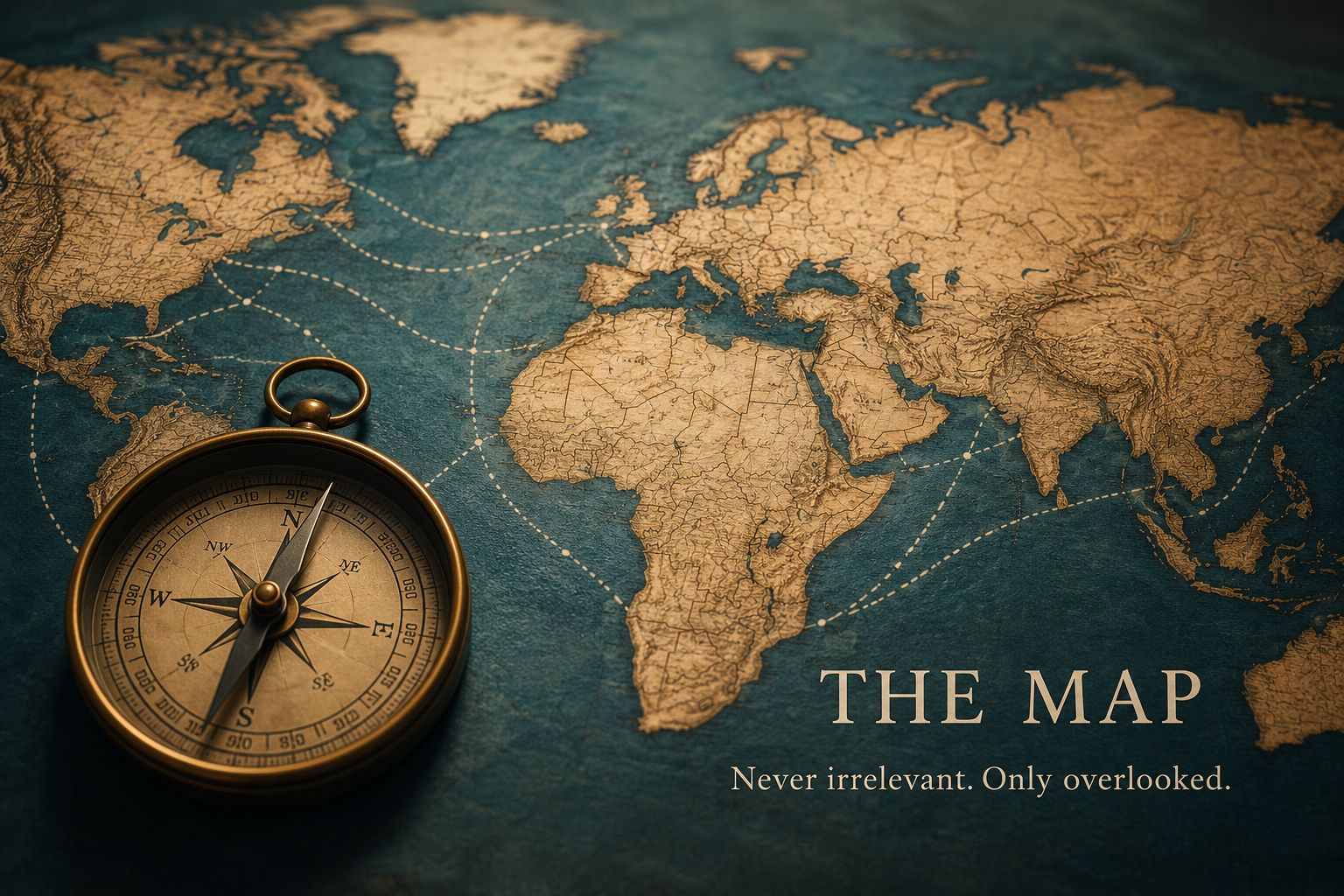
Geography Never Went Away. We Just Forgot It Mattered.
Part 1 of a series One of the biggest mistakes of the past thirty years was believing geography had become irrelevant. We convinced ourselves that technology had defeated distance, that globalisation had rendered borders obsolete and that economics had replaced geography as the primary force shaping the world. Supply chains stretched across continents.… Read the…
-
Nobody’s Listening to Trump Anymore
In the last four to six weeks a significant change has occurred that you may well have missed, but ought to consider. Think back to when President Trump began his second term and the world was hanging on his every word. This was not out of respect or admiration, but concern.… Read the rest
-

Globalisation Is Retreating. Geography Is Returning.
What makes this moment in time so significant is that the return of geography is no longer theoretical. It is beginning to shape military behaviour in real time. For decades the world convinced itself that geography mattered less. Globalisation flattened borders. Supply chains stretched across continents. Oil moved freely. Shipping lanes stayed open.… Read the…
-
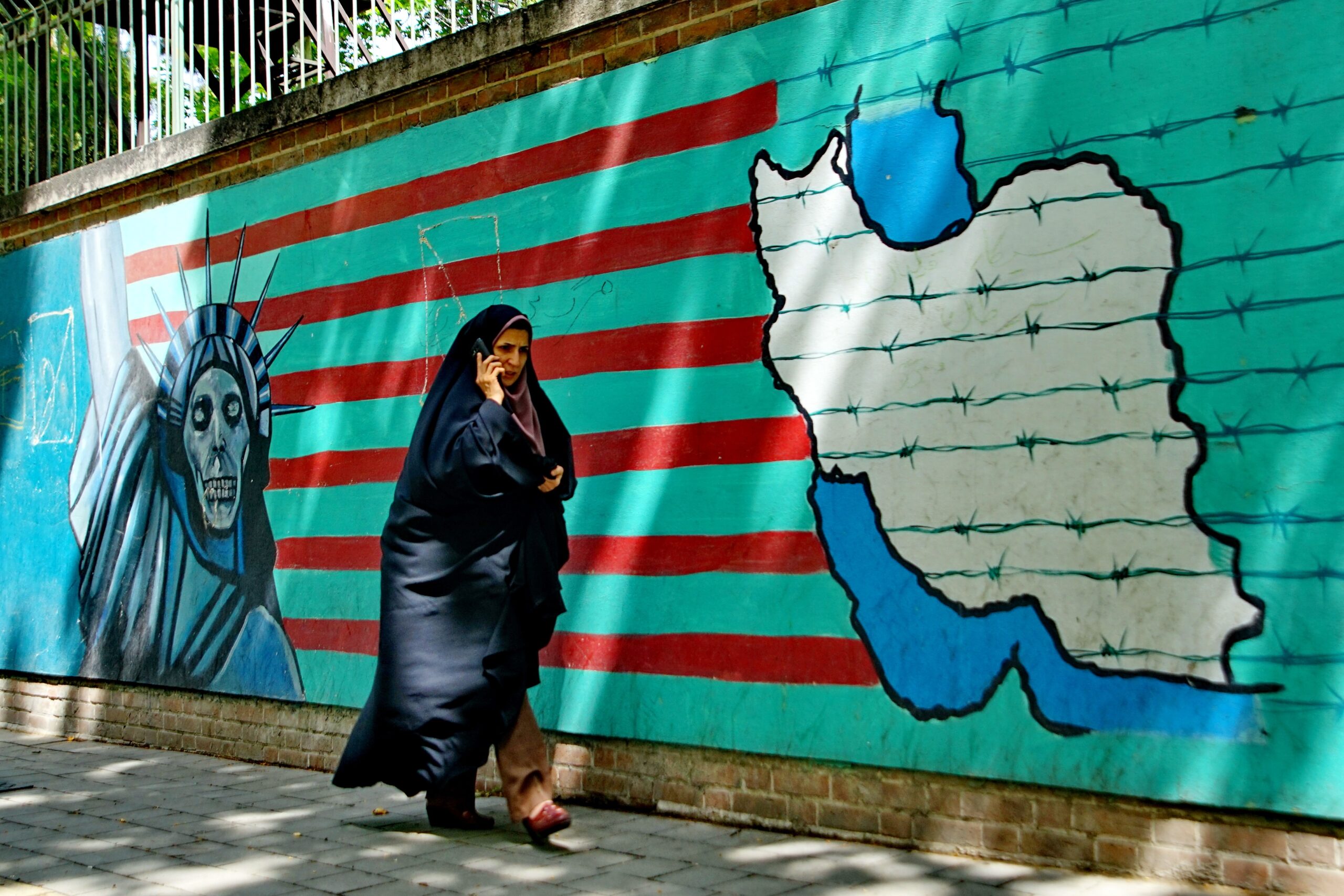
Not Victory, Not Defeat – But a Shift in Leverage
After threatening the destruction of Iran’s “whole civilisation”, President Trump has now moved back towards negotiations. As we have consistently predicted, that pivot was always likely. But it leaves us with one big question. What – if anything – has the conflict actually achieved? The short answer is that US objectives were never clearly defined.……
-
When Water Becomes the Weapon
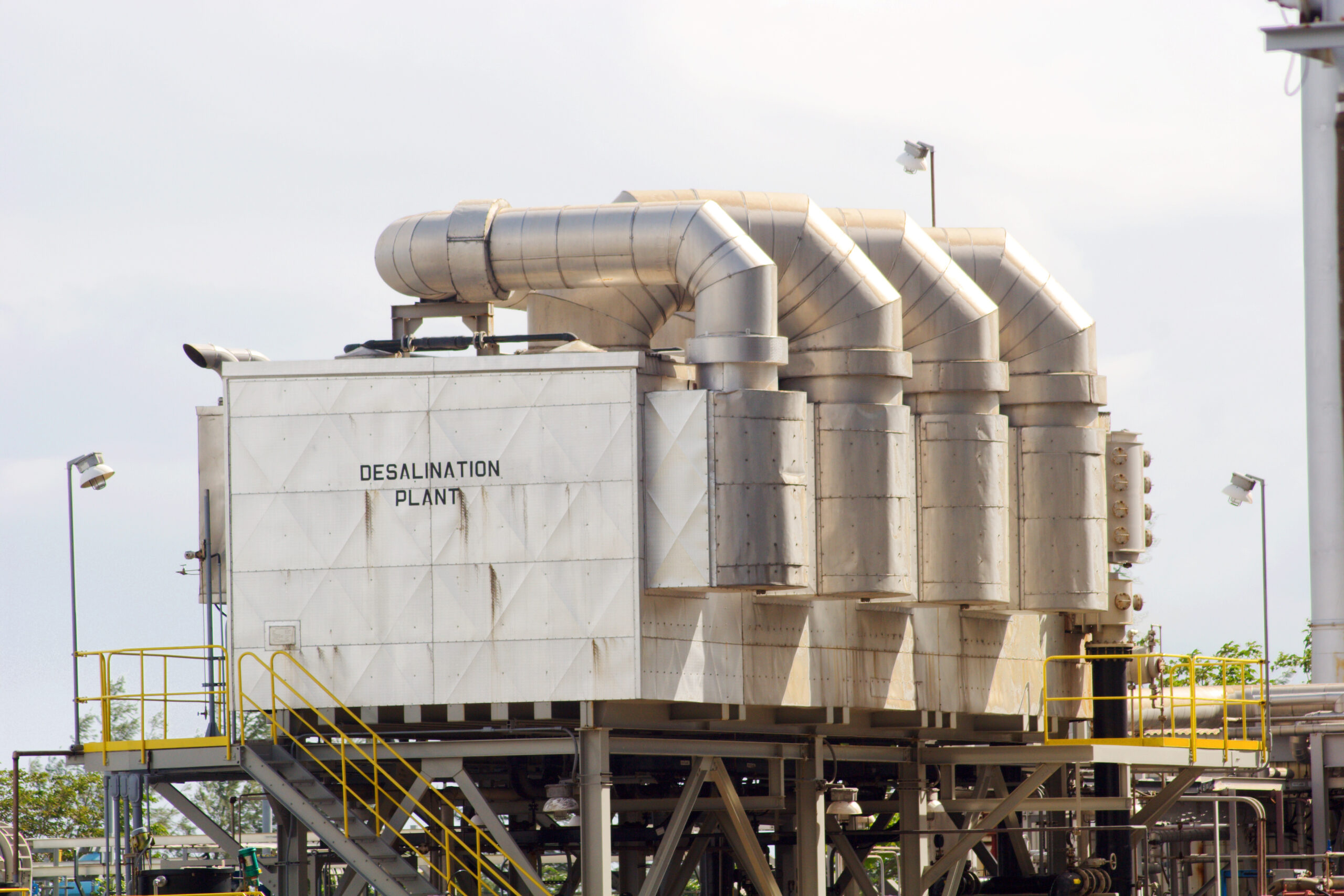
The world is watching the war in the Gulf. The focus is on oil. That is missing the point. As missiles fly between the US, Israel and Iran, the global narrative remains fixated on oil (along with LNG, and fertiliser), shipping lanes and the Strait of Hormuz. That is understandable. Hormuz is the world’s most…
-
Operation Epic F*ck Up
We’ve been quiet of late because, well, there’s not been much more to say than what we’ve already told you. We predicted that the US and Israel would attack Iran on the very weekend they indeed did. We predicted that the US would have limited political patience/ will for the conflict, and that Trump would…