Category: How We Think
-

Europe’s Quiet Payments Revolution
(Part I of a series) Why optionality, not disruption, is the real prize Europe talks a great deal about strategic autonomy. In payments, it is finally beginning to practice it. For decades, the basic act of paying – sending money, settling transactions, moving value across borders – has depended on infrastructure owned and governed elsewhere.……
-
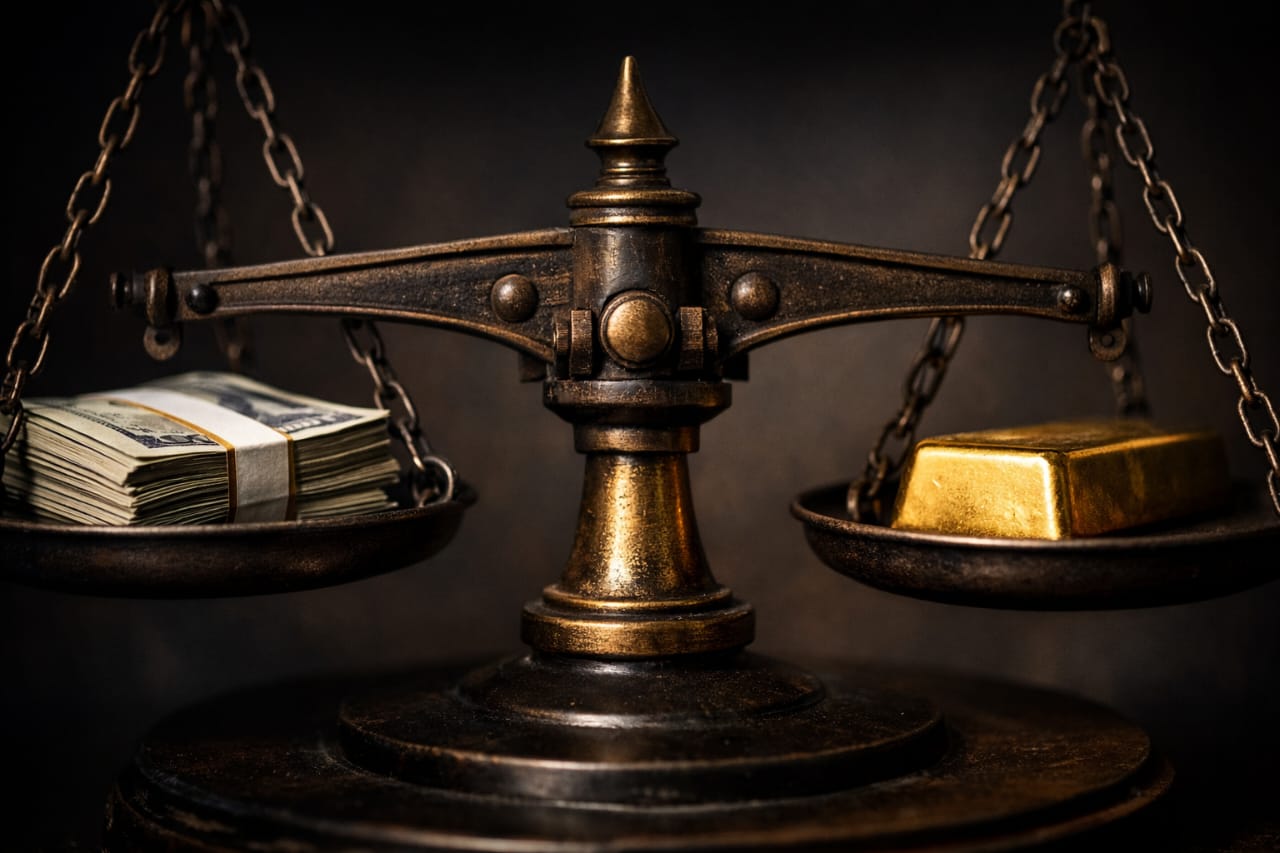
The Dollar Isn’t Ending. Gold Isn’t the Answer. That’s Not the Point.
Every market panic seems to revive the same tired argument. The Dollar is finished. Gold is coming back. The system is about to reset. It is a comforting fantasy. It is also wrong! The US Dollar isn’t dominant because it is virtuous or stable or fair. It is dominant because it is used.… Read the…
-
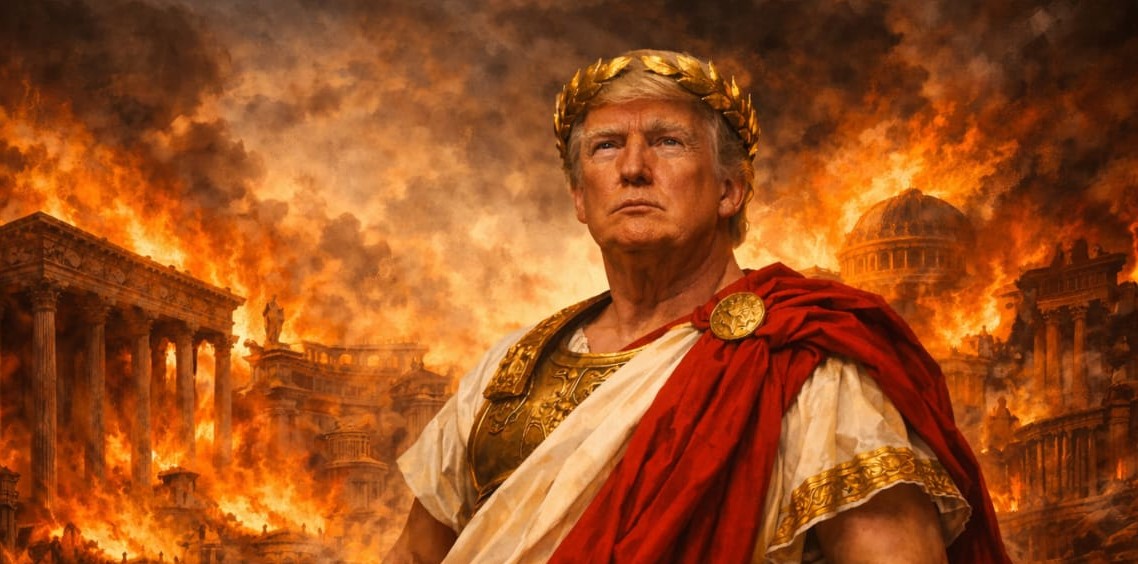
American Nero
We are living through tumultuous times, the end of an era, the beginning of a new epoch. Since 1947 the United States of America (USA or US) has dominated the planet, becoming the sole hegemon with the fall of the Union of Soviet Socialist Republics in 1991. Thanks to the stability that this Pax Americana…
-

Gold Just Crashed. That Doesn’t Change the Point. It Proves It.
Gold prices are falling fast. After weeks of record highs and breathless commentary, bullion has dumped hundreds of Dollars in a matter of hours. Silver has followed. The dollar has snapped back. Markets, suddenly, look calmer. The trigger had a name – Kevin Warsh. President Trump’s move to line up Warsh as the next Federal…
-

International Relations Theories & Today’s World
To try to make sense of the last twelve months, and more, it is important to understand the variety of theories that seek to explain events, decisions, and outlooks. There are several schools of thought in the study of International Relations. All of them are valid to one degree or another when studying any particular…
-
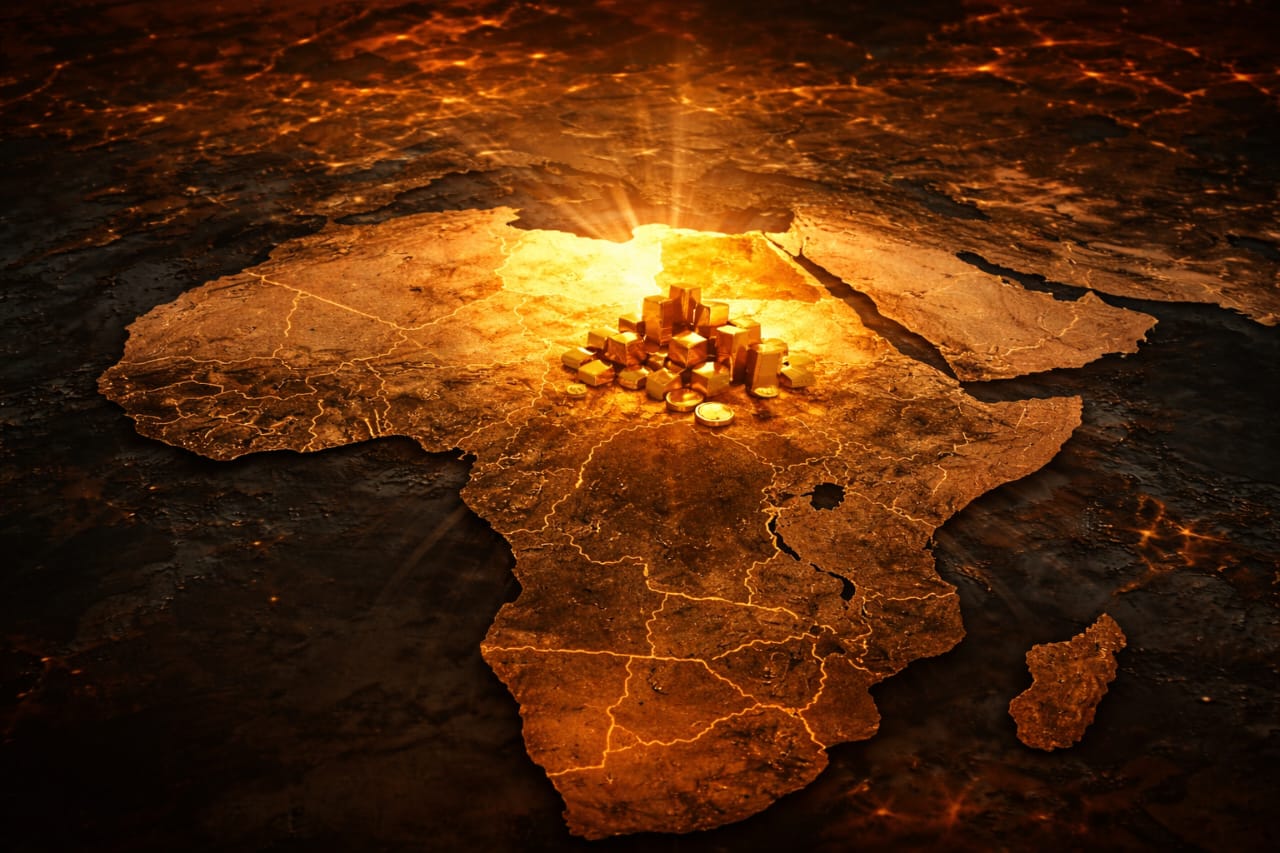
Egypt’s Gold Bank Is Not About Gold. It’s About Control
At first glance, Egypt’s announcement sounds technical. Africa’s first specialised gold bank. Refining. Vaulting. Trade finance. Another MoU, another promise. But look closer and it’s something else entirely. This is about who controls value, who controls reserves and who controls the pipes when geopolitics turns hostile. Let’s get one thing straight upfront.… Read the rest
-

The US’ Drugs Problem is Domestic, not International
In recent weeks the US has struck alleged narcotics smuggling boats and kidnapped a foreign head of state. One excuse given for these attacks was that Venezuela was responsible for some of the flow of narcotics into the USA. Here we dismantle this facile argument because, for all this force projection, Washington still refuses to…
-

Somalia Is No Longer a Peripheral Concern. It Is a Geopolitical Battleground.
Somalia now sits at the intersection of three strategic systems: the Nile basin, the Red Sea corridor and the Middle East security competition. That alone should make it one of the most geopolitically sensitive territories in Africa. It rarely gets treated that way. The Red Sea carries a large share of global trade.… Read the…
-
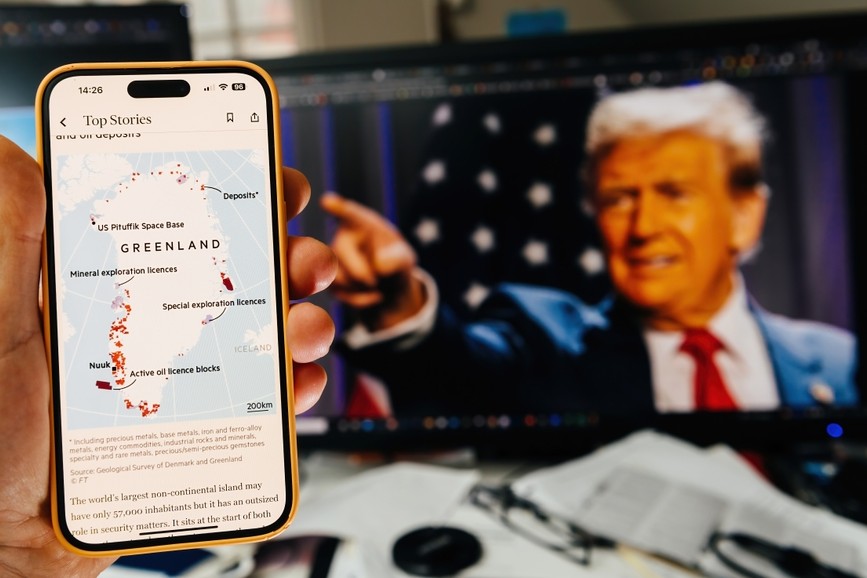
When Institutions Become Optional
Institutions have not collapsed. They have been outmanoeuvred. What we are watching now is not the failure of the post-war order, but its quiet circumvention. Power no longer needs to break institutions to get what it wants. It can move through them, around them and, when necessary, in spite of them – without pulling the…
-

The Great Game Is Back – Now Stripped of All Pretence
What we are witnessing now is not a new world order. It is an old one returning – not fully restored, but no longer restrained. The language may be modern and the tools more sophisticated, but the logic is unmistakably familiar. Powerful states are asserting their entitlement over space. Borders are treated as negotiable.… Read…